
BOARD MEMBERS

Luca Pani
Luca Pani, MD, is Professor of Clinical Psychiatry and Medical Director of Continuing Education Programs at the University of Miami, and Full Professor of Pharmacology and Toxicology at the University of Modena and Reggio Emilia. His work spans basic and clinical pharmacology, regulatory science, and the integration of artificial intelligence and machine learning into R&D, clinical research, and health technology assessment, with a particular focus on leveraging clinical datasets to inform innovative regulatory frameworks and approval pathways.
Dr. Pani served as Director-General of the Italian Medicines Agency (AIFA) from 2011 to 2016, with responsibilities spanning both regulatory and payer functions. He previously held key roles at the European Medicines Agency (EMA), including membership on the Management Board, the Committee for Human Medicinal Products (CHMP), and the Scientific Advice Working Party (SAWP).
Dr. Pani is the author of 245 peer-reviewed scientific publications and 26 books. He is one of the coordinators of FACILITATE, an Innovative Medicines Initiative (IMI-2) project funded by the European Commission (2022-2026) to establish a patient-centered, GDPR-compliant framework for returning clinical trial data to participants. He is the Immediate Past President (2024–2026) of the International Society for CNS Clinical Trials and Methodology (ISCTM), Member of the Scientific Committee of the Italian Human Technopole (2026-2030). He serves as Chief Advisor at Relmada Therapeutics (USA) and Chief Regulatory and Innovation Officer at NetraMark (Canada).

Giorgio Natili
Giorgio Natili is Senior Director and Head of AI Engineering at Oracle, where he architects sovereign, enterprise-grade AI systems and leads an global engineering organization spanning Nashville, Seattle, EMEA, and South Asia. His work centers on agentic orchestration, long-horizon memory, and AI governance frameworks built on data sovereignty and privacy by design.
Born and raised in Rome, Natili began his career building technology for Italian institutions, including the Carabinieri and the Polizia di Stato, and was an early advocate for web accessibility standards such as WCAG across Italy and Europe. He later moved to the United States to work at the frontier of technology, holding senior engineering leadership roles at Amazon (Kindle and Payments), Capital One, Mozilla Firefox, and Opaque Systems, where he built AI- and human-centric products used by tens of millions of people while embedding regulation, ethics, and data sovereignty into their architecture.
Natili is an Invited Senior Advisor to the United Nations Department of Economic and Social Affairs (DESA) on data and AI sovereignty, and serves as a board member of MedVR, a technical mentor at MIT, and part-time lecturer and Chairman of the Advisory Panel at Tacoma Community College.
Natili has published four books on artificial intelligence and software development and delivered more than 100 tech talks worldwide, including at the World Bank, Seattle and Chicago AI Weeks, and Codemotion Italia Natili also contributed heavily to the organization of Confidential Computing Summit with a special focus on the content and agent. He is also the inventor of two granted U.S. patents in AI-driven data protection.
He holds a Master's in Artificial Intelligence (in progress) from the University of Colorado Boulder, alongside executive AI education from Stanford and MIT.

Pierluigi Zappacosta
Pierluigi received the Laurea degree “cum laude” in electrical engineering from the University of Rome, Italy in 1974, and the Master of Science degree in computer science from Stanford University in 1978.
In 1981 he co-founded Logitech, a manufacturer of computer peripherals, where he served for 18 years first as President and CEO and later as Vice Chairman. He helped take Logitech public in Switzerland in 1988 and on NASDAQ in 1997. In 1996 he co-founded DigitalPersona, a biometry-based security company, and was its Chairman for several years. Between 2003 and 2013 he was CEO of Sierra Sciences, a biotech company working to extend the human health span. Currently he is an investor in technology companies in USA and Italy.
In 2007 he co-founded ISSNAF and is currently its Secretary and Treasurer. In 2017 he co-founded the ISSNAF Bay Area Chapter and is currently its Chair. He is chairman of "Friends of Istituto Bruno Leoni" in USA and trustee of "Istituto Bruno Leoni" in Italy.
On June 2nd, 2003 he received the “Commendatore al Merito della Repubblica”. In October 2015, Pierluigi was knighted “Cavaliere del Lavoro” by the President of the Italian Republic.
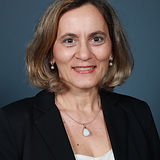
Clarissa Ceruti
Clarissa Ceruti is a technology transfer and innovation expert with over 20 years of experience in the life sciences across the US and Italy. She holds a PhD in Biochemistry (University of Torino) and an MBA from Simmons University (Boston, MA), combining scientific expertise with business strategy, IP, and commercialization.
She has worked with institutions such as Harvard Business School, MIT Sloan, the University of Pennsylvania, Fox Chase Cancer Center, and Bioindustry Park. Clarissa specializes in evaluating and managing technology portfolios, assessing commercial potential, negotiating licensing deals, and building partnerships between academia and industry. Her work includes global marketing and strategic brand development for biotech companies, with a strong focus on translating research into real-world impact.
Since 2025 Dr. Ceruti is ISSNAF Executive Director.
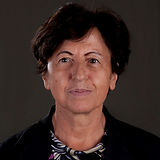
Elisa Bertino
Elisa Bertino is the Samuel D. Conte Professor of Computer Science at Purdue University. She serves as Director of the Purdue Cyberspace Security Lab (Cyber2Slab). Prior to joining Purdue, she was a professor and department head at the Department of Computer Science and Communication of the University of Milan.
Prof. Bertino has been a visiting researcher at the IBM Research Laboratory (now Almaden) in San Jose, at the Microelectronics and Computer Technology Corporation, at Telcordia Technologies, and visiting professor at the Singapore Management University and the National University of Singapore. Her recent research focuses on cybersecurity and privacy of cellular networks and IoT systems, and edge analytics and machine learning for cybersecurity. Elisa Bertino is a Fellow member of IEEE, ACM, and AAAS.
Prof. Bertino received the 2002 IEEE Computer Society Technical Achievement Award for “For outstanding contributions to database systems and database security and advanced data management systems”, the 2005 IEEE Computer Society Tsutomu Kanai Award for “Pioneering and innovative research contributions to secure distributed systems”, the 2014 ACM SIGSAC Outstanding Contributions Award with citation “For her seminal research contributions and outstanding leadership to data security and privacy for the past 25 years”, the 2019-2020 ACM Athena Lecturer Award, and the 2021 IEEE Innovation in Societal Infrastructure Award.
Prof. Bertino has been inducted in the GSMA Mobile Security Hall of Fame.

Vito Campese
Vito M. Campese, M.D. is Professor Emeritus of Medicine, Co-Director of the USC/UKRO Kidney Research Center, and a former chair of the Division of Nephrology at the Los Angeles County-University of Southern California (LAC-USC) Medical Center in Los Angeles, California. A native of Bari, Italy, he received his medical degree, Summa Cum Laude, from the University of Bari where he also completed his internship, residency and fellowship in nephrology before moving to the USA.
Dr. Campese is a Diplomate of the American Board of Internal Medicine, a Diplomate of the American Board of Nephrology, and a specialist on hypertension. He is also a member of the American Society of Nephrology, the American Society of Hypertension, the International Society of Nephrology and the International Society of Hypertension. His research interests include such topics as salt sensitivity in hypertension, hypertension and renal failure, cytokines and the neurogenic control of blood pressure, and the role of the sympathetic nervous system in primary hypertension and hypertension associated with kidney disease. He is co-Chairman of an International Committee studying the causes of Mesoamerican nephropathy. He has been a member of the Institute of Health (NIH) Study Section, “Hypertension and Microcirculation.” Dr. Campese has authored over 320 scientific articles, and lectured, extensively, worldwide. He serves on the editorial board of such journals as the Journal of Hypertension, Journal of Nephrology, and Clinical Nephrology
Vito Campese founded ISSNAF in 2007 and has been its President and Chair of the Board of Directors until November 2019. He is currently chair of the Honorary Board of Directors.
He is a Grand Officer of the Order of the Star of Italy in recognition of his work on preservation and promotion of national prestige abroad, promoting friendly relations and co-operation with the USA and Italy.

Napoleone Ferrara
Dr. Ferrara is Distinguished Professor of Pathology and the Hildyard Endowed Chair in Eye Disease at UC San Diego Moores Cancer Center.
Dr. Ferrara earned his M.D. degree in 1981 from the University of Catania Medical School in Italy. After completing his postdoctoral research at the University of California, San Francisco, he joined Genentech Inc. in 1988. It is there where he spent nearly 25 years working on the isolation, molecular cloning and biological characterization of vascular endothelial growth factor (VEGF). This work resulted in the development of bevacizumab (Avastin), the first anti-angiogenic agent to be approved by the FDA for cancer therapy. His research also led to the development of ranibizumab (Lucentis), which has been FDA-approved for the treatment of multiple intraocular neovascular disorders. Ranibizumab and other anti-VEGF agents are currently the standard of care for ocular vascular disorders.
In January 2013, Dr. Ferrara joined the University of California, San Diego as a Distinguished Professor of Pathology, Distinguished Adjunct Professor of Ophthalmology & Pharmacology. Since 2020 he is also endowed Hildyard endowed chair in eye diseases. He is continuing his research on angiogenesis, with the aim of understanding the mechanisms of resistance and finding additional targets.
Dr. Ferrara is author or co-author of over 300 publications which have been cited over 200,000 times (Google scholar). He is also the recipient of numerous scientific awards, including the General Motors Cancer Research Award, the Lasker-deBakey Clinical Medical Research Award, the Breakthrough Prize in Life Sciences, the Champalimaud Vision Award, the Canada Gairdner International Award and the Keio Medical Sciences Prize. Dr. Ferrara is a member of both the National Academy of Sciences and the National Academy of Medicine, USA.
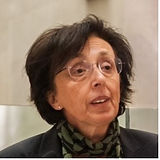
Giulia Galli
She is the Liew Family Professor of Electronic Structure and Simulations in the Pritzker School of Molecular Engineering and the Department of Chemistry at the University of Chicago, and a Senior Scientist at Argonne National Laboratory, where she is the director of the Midwest Integrated Center for Computational Materials (https://miccom-center.org/).
She is an expert in the development of theoretical and computational methods to predict and engineer material and molecular properties using quantum simulations (https://galligroup.uchicago.edu/).
She is a member of the US National Academy of Sciences, the American Academy of Arts and Science, and the International Academy of Quantum Molecular Science, and Fellow of the American Association for the Advancement of Science and of the American Physical Society (APS).
Her recognitions include the Material Research Society Theory Award, the David Adler Award in Materials Physics and Aneesur Rahman Prize in Computational Physics from the American Physical Society, the Feynman Nanotechnology Prize in Theory, the Hirschfelder Prize in theoretical chemistry and the Tomassoni-Chisesi prize in physics.

Elena Orlando
Elena Orlando is an astrophysicist. She is currently Associate Professor at the University of Trieste. She held the academic position of Senior Research Scientist at Stanford University, and she has been an Instructor for Stanford Continuing Studies for many years.
Prof. Orlando has led several international scientific collaborations and plays a crucial role in defining future NASA and ESA space missions. She has published more than 270 peer-reviewed articles and has accrued over 60,000 citations that places her among highly cited researchers. As a member of the Fermi collaboration in 2011 she received the Bruno Rossi Prize. Elena was also awarded the Marie Curie Early Stage Training fellowship at the Max Planck Institute for Extraterrestrial Physics in Munich, Germany, and the Leonardo da Vinci European fellowship installed at the Julius-Maximilians University of Wuerzburg, Germany.
After earning her Master's Degree in Physics at the University of Trieste, Prof. Orlando received her PhD in Physics in 2008 from the Technical University of Munich with highest distinction under the International Max Planck Research School Program. She completed a postdoctoral fellowship at the Max Planck Institute for Extraterrestrial Physics, and in 2010 she moved to Stanford University.
Prof. Orlando’s research focuses on the discovery and explanation of the origin of gamma rays and cosmic rays in the Universe. She has theorized and discovered for the first time that the Sun continuously emits gamma rays. She is also known for her original method to study the Milky Way by analyzing and connecting various kinds of data and by developing advanced theories to interpret them.
Prof. Orlando is Editor of Frontiers in Astronomy and Space Sciences, Editor of Frontiers in Physics, and Member of the American Astronomical Society.
Prof. Orlando is chair of the Young ISSNAF Committee of the ISSNAF Board and a co-founder of the ISSNAF Bay Area Chapter.

Alessandro Ratti
Alessandro Ratti serves as the Division Deputy for accelerator technologies in the Engineering Division at Lawrence Berkeley National Laboratory (LBNL). His journey in the particle accelerator field has seen him take on increasingly vital roles. Notably, he led the electronics team in completing the front end injector for Spallation Neutron Source at Oak Ridge National Lab. Subsequently he led a significant US contribution to beam instrumentation systems for the Large Hadron Collider (LHC) at CERN, and then he was instrumental in the demonstration of the crab cavity system in the US, which is now an integral part of the LHC upgrade project.
Presently, Dr. Ratti is the system manager of electronic systems for the ALS Upgrade. Prior to this position, he served as the director of the Electronics Engineering Division in the Accelerator Directorate at SLAC. His technology innovation efforts at LBNL earned him and his team an RD100 award for the development of the Unexploded Ordnance Discriminator, and later patented the technology for ground water exploration.
Dr. Ratti holds a degree in Electronics Engineering from the University of Pavia and an MBA from the Haas School of Business. These credentials empowered him to contribute significantly to the founding of several successful startups, including playing a key role as the co-chair of the founding board that initiated the Bay Area Chapter of ISSNAF in 2017.
In recognition of his service to Italy and the scientific community, Dr. Ratti was honored with knighthood as Cavaliere Ordine al Merito della Repubblica Italiana.
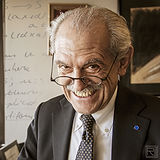
Alberto Sangiovanni-Vincentelli
Board Member, ISSNAF Founder
Alberto L. Sangiovanni-Vincentelli is the Edgar L. and Harold H. Buttner Chair at the EECS Department, UC Berkeley. He graduated from Politecnico di Milano in 1971. He co-founded Cadence and Synopsys, the two leading EDA companies. He is on the Board of Directors of Cadence, KPIT, Expert.ai, Cy4Gate, Exein, and Chairman of the Board of Quantum Motion, Phononic Vibes, Innatera and Phoelex.
Prof. Vincentelli is a member of the advisory board of Walden International and Xseed, of the Scientific Advisory Board of the Italian Institute of Technology and the Chair of the Strategic Board and of the International Advisory Board for the Milano Innovation District. He is a member of the Advisory Board of Politecnico di Milano and Honorary Professor at Politecnico di Torino.
Prof. Vincentelli was the President of the “Comitato Nazionale dei Garanti della Ricerca” and of the Strategy Committee of Fondo Strategico Italiano. He consulted for companies such as Intel, HP, Bell Labs, IBM, Lendlease, Samsung, UTC, Lutron, Kawasaki Steel, Fujitsu, Telecom Italia, Pirelli, GM, BMW, Mercedes, Magneti Marelli, and ST Microelectronics. He authored 19 books, 2 patents and over 1,000 papers. He is a Fellow of IEEE and ACM, and a member of the National Academy of Engineering.
Prof. Vincentelli earned the IEEE/RSE Maxwell Award “for groundbreaking contributions that have had an exceptional impact on the development of electronics and electrical engineering or related fields”, the Kaufmann Award for foundational contributions to EDA, the EDAA Lifetime Achievement Award, the IEEE/ACM R. Newton Impact Award, the University of California Distinguished Teaching Award, the IEEE TC-CPS Technical Achievement Award, the IEEE Leon Kirchmayer Graduate Teaching Award and the ISPD Lifetime Achievement Award. He holds Honorary Doctorates from Aalborg University (Denmark), KTH (Sweden) and AGH (Poland).
Prof. Vincentelli co-founded ISSNAF in 2007.
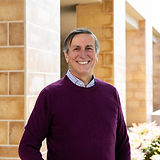
Alessandro Sette
Board Member, Scientific Council
Alessandro Sette is Professor and Member at La Jolla Institute for Immunology, Division of Vaccine Discovery, and Co-Director of the Center for Vaccine Innovation, Center for Infectious Disease and Vaccine Research, Center for Autoimmunity and Inflammation at University of California, School of Medicine.
Prof. Sette devoted more than 40 years to the study of immune responses to cancer, autoimmunity, allergy, and infectious diseases. Dr. Sette is a coauthor of over 1000 peer-reviewed publications (H-factor of 190), is an inventor on 41 US issued patents and is identified by Clarivate as one of the Top Highly cited investigators. Named as one of the top 400 influential researchers in the last 15 years (out of 15 million worldwide) and is ranked 4th amongst Italian Scientists in Biomedical Sciences.
Dr.Sette has received several awards including Oregon State University Biological Colloquium, the American Association of Immunologists Investigator Award, American Liver Foundation for Biotechnology Companies, International Immunomics and Immmunogenetics Society, the 10th Annual ViE Vaccine Industry Excellence Award, the 2021 Gold Medal from the Italian Society of Internal Medicine (SIMI), and the Boulle-SEI International Award (Alicante, Spain 2021). He is Elected Fellow of the AAAS (2020); Elected Member of the American Academy of Microbiology (2023), Elected Honorary Member of the Accademia Medica di Roma (2021); and Fellow of Sigma Xi Scientific Research Honor Society.
His laboratory defines in chemical terms the specific structures (epitopes) that the immune system recognizes, and uses this knowledge to measure and understand immune responses. His laboratory studied a diverse set of diseases, ranging from HIV, HBV, HCV, Allergies, Dengue, Zika, Chikungunya, malaria, M. tuberculosis, B. pertussis, and most recently, SARS-CoV-2.
His lab was first to define successful adaptive response to SARS CoV2, by studying mild convalescent samples, and defined durability of immune memory in natural infection and vaccination. Reported the phenomenon of SARS CoV2 preexisting immune memory in unexposed donors, and demonstrated its influence on vaccination outcomes. Demonstrated that T cell responses are largely preserved in terms of recognition of SARS CoV2 variants, including Omicron and Delta. His lab is currently involved in the study of potential pandemic threats and microbial outbreaks, including Avian Flu and MPOX.
Since the start of the pandemic advocated a fact-based approach to informing the general public, though publications, social media and media interviews This resulted in over 600 interviews which were published and/or aired in over 100 different countries. The epitope pools developed by the group are used to measure responses; they have been provided to hundreds of labs, in tens of different countries in 6 continents. The Data generated by the group and by the scientific community at large are constantly curated and made freely available to the scientific community through the Immune Epitope Database (IEDB).
Prof. Sette is member of ISSNAF Board of Director and Scientific Council.

Guido Silvestri
Dr. Guido Silvestri is currently a Georgia Research Alliance Eminent Scholar in Comparative Pathology (since 2010), as well as Professor and Chair in the Department of Pathology and Laboratory Medicine at the Emory University School of Medicine (since 2018). In addition, Dr. Silvestri has served from 2022 to 2024 as Executive Associate Dean for Research Strategy for the Emory University School of Medicine, and since 2024 serves as Vice President for Basic qand Translational Research of the Woodruff Health Sciences Center of Emory University, which handles >$1 billion in research funding spread over eight centers and schools.
Dr. Silvestri received his M.D. from the University of Ancona (Italy), and after finishing his service in the Italian Navy he completed training in Internal Medicine/ Allergy & Clinical Immunology in 1993. Soon after that, he moved to North America and became involved in basic and translational research studies of AIDS pathogenesis, prevention, and therapy, mostly using non-human primate models of HIV infection. In 2001, Dr. Silvestri received a Board Certification in Clinical Pathology upon completion of a residency at the Hospital of the University of Pennsylvania. In 2021 he received an honorary Ph.D. from the Grigori T. Popa University of Iasi (Romania).
Since 2001 Dr. Silvestri has directed an independent NIH-funded research program. He has served as principal investigator or co-investigator of many NIH grants, including a prestigious R37 MERIT award, and he is involved in both the Consortium for Innovative AIDS Research (CIAR) in non-human primates, the Center for HIV/AIDS Vaccine Immunology (CHAVI), and the Collaboratory of AIDS Researchers for Eradication (CARE). He is currently co-director of the Emory-based Enterprise for Research and Advocacy to Stop and Eradicate HIV (ERASE HIV), which was awarded a 5-year $25M grant from the NIH in 2021.
Dr. Silvestri has authored or co-authored 305 peer-reviewed publications, including numerous in the highest impact journals (Nature, Cell, Science, Nature Medicine, Nature Immunology, etc), as well as five scientific books. He has given invited lectures and seminars at >120 different institutions of 30 different countries. His work has been quoted >34,000 times (H-index 91), and has been presented in plenary sessions at all major AIDS, virology and immunology conferences worldwide. Dr. Silvestri is an Associate Editor of PLoS Pathogens, and past-Editor of the Journal of Virology (2013-2023) and the Journal of Immunology (2006-2015).
Dr. Silvestri served as Chairman or Standing Member in >50 study sections and advisory committees at the National Institutes of Health, the Canadian Institute for Health Research, the American Foundation for AIDS Research, the Australian Medical Research Council, the European Commission, and various other institutions. Among his current and past appointments, Dr. Silvestri served as President of the Scientific Advisory Board of the Spallanzani-INMI (Rome, Italy), Co-Chair of the Scientific Council of the Agence Nationale pour la Recherche sur le SIDA, member of the Scientific Committee of the Conference on Retrovirus and Opportunistic Infections (CROI), and Co-Chaired the 9th International AIDS Conference in Paris, July 2017. He received, among numerous other awards, the Dr. Martin Luther King Jr. Community Service Award of Emory University, the Albert Levy Award for Scientific Excellence, and the Fiuggi Storia-Scienze award of the Levi-Pelloni Foundation and the Library of Shoah.
SCIENTIFIC COUNCIL

Alessandro Sette
Professor and Member
La Jolla Institute for Immunology, Division of Vaccine Discovery
Co-Director of the Center for Vaccine Innovation
Center for Infectious Disease and Vaccine Research
Center for Autoimmunity and Inflammation
University of California, School of Medicine
Alessandro Sette is Professor and Member at La Jolla Institute for Immunology, Division of Vaccine Discovery, and Co-Director of the Center for Vaccine Innovation, Center for Infectious Disease and Vaccine Research, Center for Autoimmunity and Inflammation at University of California, School of Medicine.
Prof. Sette devoted more than 40 years to the study of immune responses to cancer, autoimmunity, allergy, and infectious diseases. Dr. Sette is a coauthor of over 1000 peer-reviewed publications (H-factor of 190), is an inventor on 41 US issued patents and is identified by Clarivate as one of the Top Highly cited investigators. Named as one of the top 400 influential researchers in the last 15 years (out of 15 million worldwide) and is ranked 4th amongst Italian Scientists in Biomedical Sciences.
Dr.Sette has received several awards including Oregon State University Biological Colloquium, the American Association of Immunologists Investigator Award, American Liver Foundation for Biotechnology Companies, International Immunomics and Immmunogenetics Society, the 10th Annual ViE Vaccine Industry Excellence Award, the 2021 Gold Medal from the Italian Society of Internal Medicine (SIMI), and the Boulle-SEI International Award (Alicante, Spain 2021). He is Elected Fellow of the AAAS (2020); Elected Member of the American Academy of Microbiology (2023), Elected Honorary Member of the Accademia Medica di Roma (2021); and Fellow of Sigma Xi Scientific Research Honor Society.
His laboratory defines in chemical terms the specific structures (epitopes) that the immune system recognizes, and uses this knowledge to measure and understand immune responses. His laboratory studied a diverse set of diseases, ranging from HIV, HBV, HCV, Allergies, Dengue, Zika, Chikungunya, malaria, M. tuberculosis, B. pertussis, and most recently, SARS-CoV-2.
His lab was first to define successful adaptive response to SARS CoV2, by studying mild convalescent samples, and defined durability of immune memory in natural infection and vaccination. Reported the phenomenon of SARS CoV2 preexisting immune memory in unexposed donors, and demonstrated its influence on vaccination outcomes. Demonstrated that T cell responses are largely preserved in terms of recognition of SARS CoV2 variants, including Omicron and Delta. His lab is currently involved in the study of potential pandemic threats and microbial outbreaks, including Avian Flu and MPOX.
Since the start of the pandemic advocated a fact-based approach to informing the general public, though publications, social media and media interviews This resulted in over 600 interviews which were published and/or aired in over 100 different countries. The epitope pools developed by the group are used to measure responses; they have been provided to hundreds of labs, in tens of different countries in 6 continents. The Data generated by the group and by the scientific community at large are constantly curated and made freely available to the scientific community through the Immune Epitope Database (IEDB).
Prof. Sette is member of ISSNAF Board of Director and Scientific Council.