
Board Member, Scientific Council
Professor and Member
La Jolla Institute for Immunology, Division of Vaccine Discovery
Co-Director of the Center for Vaccine Innovation
Center for Infectious Disease and Vaccine Research
Center for Autoimmunity and Inflammation
University of California, School of Medicine
Board Member, Scientific Council
Alessandro Sette
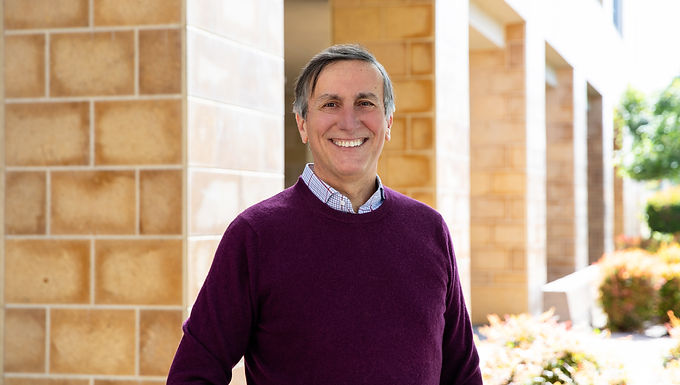
Alessandro Sette is Professor and Member at La Jolla Institute for Immunology, Division of Vaccine Discovery, and Co-Director of the Center for Vaccine Innovation, Center for Infectious Disease and Vaccine Research, Center for Autoimmunity and Inflammation at University of California, School of Medicine.
Prof. Sette devoted more than 40 years to the study of immune responses to cancer, autoimmunity, allergy, and infectious diseases. Dr. Sette is a coauthor of over 1000 peer-reviewed publications (H-factor of 190), is an inventor on 41 US issued patents and is identified by Clarivate as one of the Top Highly cited investigators. Named as one of the top 400 influential researchers in the last 15 years (out of 15 million worldwide) and is ranked 4th amongst Italian Scientists in Biomedical Sciences.
Dr.Sette has received several awards including Oregon State University Biological Colloquium, the American Association of Immunologists Investigator Award, American Liver Foundation for Biotechnology Companies, International Immunomics and Immmunogenetics Society, the 10th Annual ViE Vaccine Industry Excellence Award, the 2021 Gold Medal from the Italian Society of Internal Medicine (SIMI), and the Boulle-SEI International Award (Alicante, Spain 2021). He is Elected Fellow of the AAAS (2020); Elected Member of the American Academy of Microbiology (2023), Elected Honorary Member of the Accademia Medica di Roma (2021); and Fellow of Sigma Xi Scientific Research Honor Society.
His laboratory defines in chemical terms the specific structures (epitopes) that the immune system recognizes, and uses this knowledge to measure and understand immune responses. His laboratory studied a diverse set of diseases, ranging from HIV, HBV, HCV, Allergies, Dengue, Zika, Chikungunya, malaria, M. tuberculosis, B. pertussis, and most recently, SARS-CoV-2.
His lab was first to define successful adaptive response to SARS CoV2, by studying mild convalescent samples, and defined durability of immune memory in natural infection and vaccination. Reported the phenomenon of SARS CoV2 preexisting immune memory in unexposed donors, and demonstrated its influence on vaccination outcomes. Demonstrated that T cell responses are largely preserved in terms of recognition of SARS CoV2 variants, including Omicron and Delta. His lab is currently involved in the study of potential pandemic threats and microbial outbreaks, including Avian Flu and MPOX.
Since the start of the pandemic advocated a fact-based approach to informing the general public, though publications, social media and media interviews This resulted in over 600 interviews which were published and/or aired in over 100 different countries. The epitope pools developed by the group are used to measure responses; they have been provided to hundreds of labs, in tens of different countries in 6 continents. The Data generated by the group and by the scientific community at large are constantly curated and made freely available to the scientific community through the Immune Epitope Database (IEDB).